Ahead of Sustainability LIVE London, Kuram Gwakyaa, Head of Sustainability at Mitie (leading the Department for Work & Pensions account), shared key insights with Sustainability Magazine regarding workplace transformation, ESG reporting, and the emerging trends shaping the next decade.
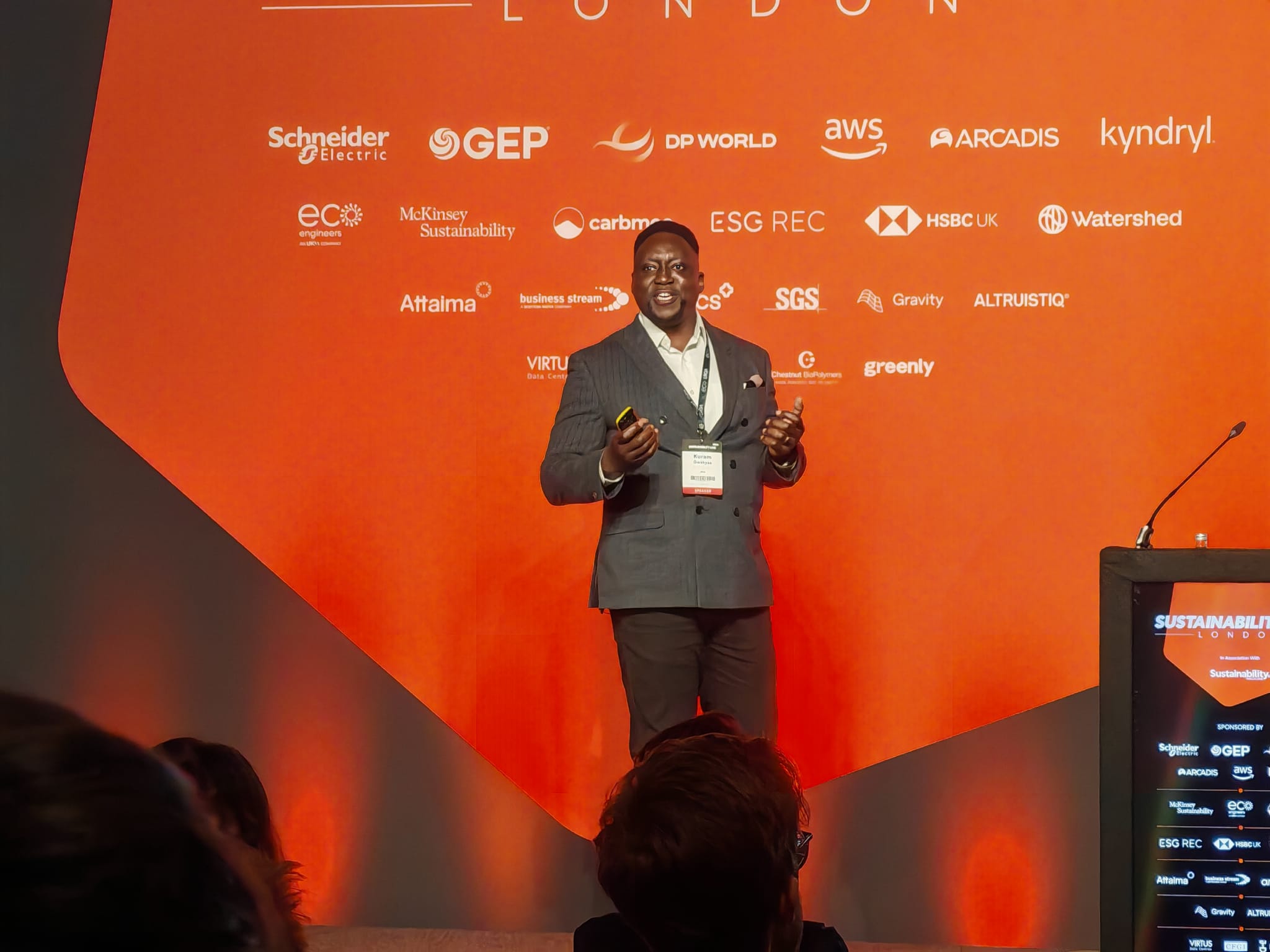
What Inspires Your Involvement at Sustainability LIVE?
“From previous experience attending Sustainability LIVE, I was inspired by the wealth of insights shared by keynote speakers and panellists. The event offers a valuable chance to engage with industry peers, fostering the exchange of ideas and best practices.”
Core Focus: Facilities Transformation
In an era defined by climate urgency, digital transformation, and evolving workforce expectations, the workplace has become a strategic lever for driving sustainability, performance, and social impact.
At Mitie, Facilities Transformation represents a holistic approach that integrates:
- Smart Technologies to monitor and optimize asset performance in real time.
- Environmental Stewardship to accelerate zero-carbon targets across major accounts.
- Community Value to ensure facility operations deliver lasting social benefit.
4 Emerging Trends Shaping the Next Decade of Sustainability
Kuram highlighted four pivotal trends that will define the future of facilities management and the built environment:
1. Smart, Sustainable Infrastructure
The convergence of AI, IoT sensors, and advanced data analytics is revolutionising facility management. Real-time data on energy use, space occupancy, and environmental conditions allows buildings to dynamically adjust operations, reducing emissions while optimizing occupant comfort. Tools like Mitie’s Emissions Intelligence provide real-time compliance and decarbonisation tracking.
2. ESG-Driven Compliance & Double Materiality
With regulatory frameworks evolving rapidly—such as the UK Sustainability Disclosure Requirements (SDR) aligning with ISSB and the Corporate Sustainability Due Diligence Directive (CSDDD)—transparency is paramount. Organizations are shifting toward assessing double materiality: demonstrating both financial performance and broader environmental/social impact through traceable, audit-ready supply chains.
3. Circular Economy & Responsible Resource Use
Rethinking procurement, asset maintenance, and end-of-life strategies is essential for circularity. In facilities management, this means repurposing furniture, refurbishing HVAC systems, responsible sourcing, and eliminating single-use waste streams throughout property operations.
4. Social Value and DEI Integration
Diversity, Equity, and Inclusion (DEI) is no longer separate from ESG strategy—it is a core business resilience imperative. Embedding inclusive hiring, employee wellbeing, and local community engagement into facility operations ensures that sustainability efforts generate tangible social value alongside carbon reduction.
Key Takeaway
“The next decade will redefine what it means to deliver high-performing places. It’s no longer just about operational efficiency; it’s about creating spaces that are sustainable, inclusive, and future-ready.”
Original Article
Read the full feature on Sustainability Magazine.